
“Becoming Who I Needed to Be”: Yocheved’s Journey Back to Education
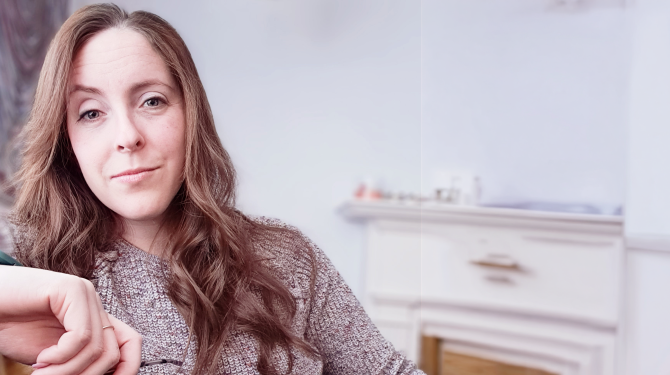
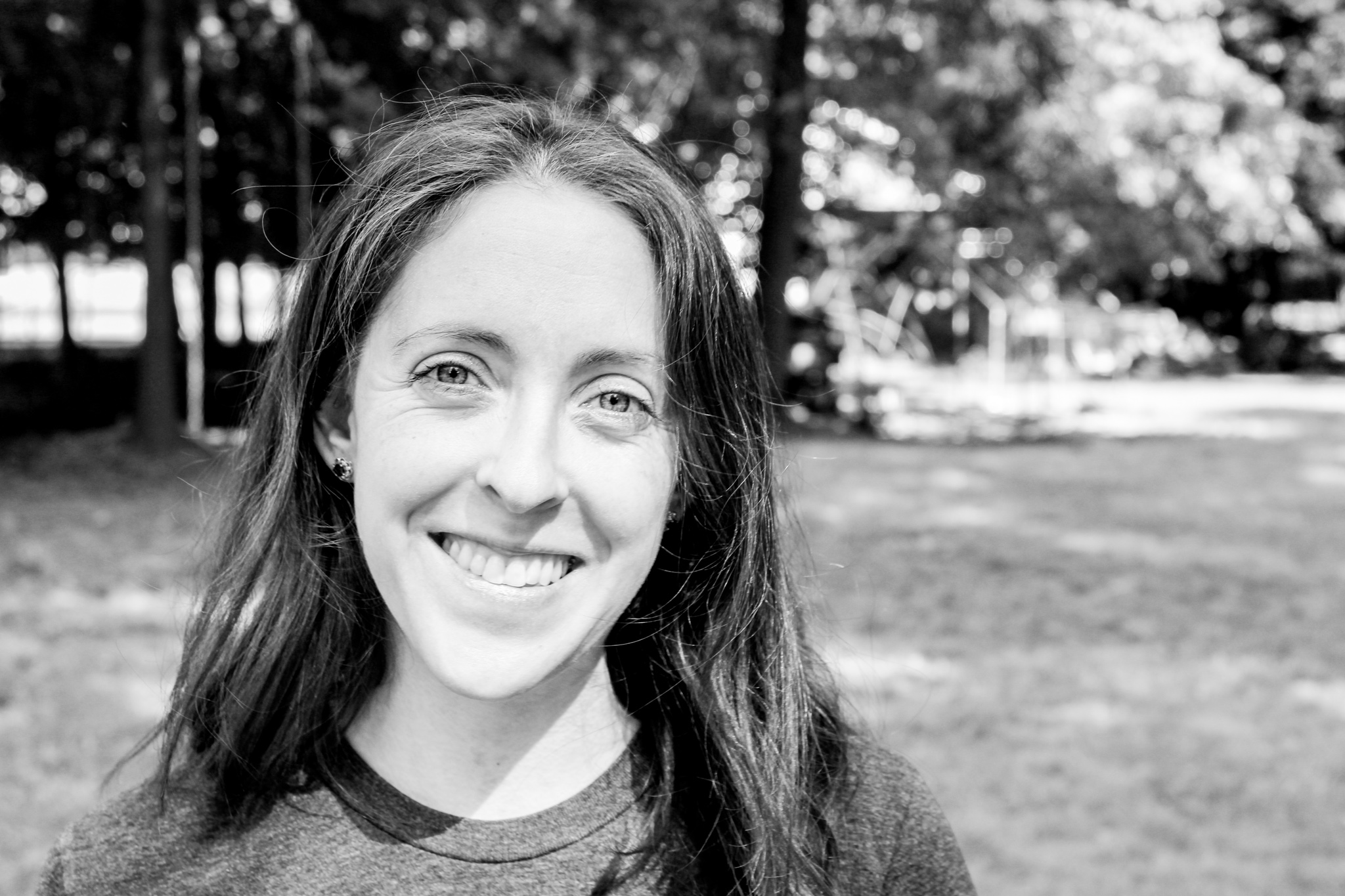
When Yocheved first introduces herself, she does so with a smile and a caveat. “Most people call me Yo,” she says. “Depends where you met me in life.”
And Yo has lived a lot of life.
At 35, she arrives at Seeds of Literacy with an energy that’s equal parts determination and self-awareness—a woman who has reinvented herself more times than she can count, and who is finally carving out the version of her life she wants to live. Her story is not a simple arc. It’s a series of survival decisions, leaps of faith, detours, and restarts.
And it begins with the moment everything changed—when she was sent out of her childhood home at just sixteen years old.
Growing Up Inside a Strict World
Yocheved grew up in a deeply religious Orthodox Jewish household, one defined by strict expectations, rigid rules, and a worldview dominated by structure. She was the youngest of ten children, with siblings spread across two decades of age difference. In a family that large, time, attention, and emotional space were always stretched thin.
“Religion and belief went beyond faith in my house,” she explains. “They were rules you lived by. If you didn’t follow them exactly, there wasn’t a lot of wiggle room.”
Something as simple as wearing pants instead of a skirt could trigger conflict. Friendships outside the community weren’t permitted. After-school freedom was limited. Even going to the park could lead to her father appearing suddenly, checking whether she was “in line.”
But Yo wasn’t trying to rebel. She was trying to figure out who she was. And in the strict environment she grew up in, that exploration wasn’t acceptable.
“I didn’t feel like there was a version of me that fit inside that house,” she says. “And eventually, that caught up with us.”
The Day Everything Changed
When she was sixteen, just months before her seventeenth birthday, her parents told her she could no longer live at home if she wasn’t going to follow their rules.
There was no transition plan. No safety net. No place waiting for her.
“It’s not a nice term, but I was homeless,” she says plainly. “That’s just the truth.”
Her older sister, also still young at the time, let Yo move into her Cleveland Heights apartment. But because the sister’s boyfriend frequently visited from out of state, Yo often had to vacate the apartment for days at a time. She bounced from couch to couch, staying with friends in the neighborhood—never certain how long she’d be welcome, always improvising.
When her sister later married and moved to New York, Yo moved with her, starting over once again.
“I think my dad thought I’d leave for a night or two and come back,” she says. “But there was nothing to come back to. Once you’re told to go, you go.”
The upheaval interrupted school entirely. She had attended an Orthodox day school through middle school, then later the Virtual Schoolhouse after earlier behavior issues placed her there. But once she lost housing, education fell through the cracks.
“I had no legal guardian in New York, no way to enroll anywhere, and no stability,” she explains. “I just worked. Survival came first.”
A Life Built Through Resilience and Reinvention
From 16 onward, Yocheved survived by following her instincts and trusting her work ethic. She became part of the restaurant industry—one of the few places that didn’t require a diploma and welcomed hard workers.
“Restaurants don’t ask for résumés,” she says with a laugh. “They ask if you can hold a tray and be friendly.”
She worked as a dancer, then as a bartender—roles that provided immediate income but also irregular hours and a lifestyle that eventually wore her down. At 32, after more than a decade in nightlife work, she stepped away completely.
That’s when a new chapter opened: she became a surrogate.
“They didn’t want me behind a bar while I was pregnant, which made sense,” she says. “So I stopped. And stopping made me reevaluate everything.”
For the first time in her adult life, she had a chance to rewrite her routine. She spent more time with her daughter, Serena. She slowed down. She began cooking more, finding comfort in the rhythm of the kitchen.
And she discovered something important: she liked small, structured, meaningful tasks. Baking. Food prep. Helping out where she was needed. Being present.
“I realized I really just want a simple, stable life where I get to raise my kid,” she says. “Not everything has to be a hustle.”
For the first time in her adult life, she had a chance to rewrite her routine. She spent more time with her daughter, Serena. She slowed down. She began cooking more, finding comfort in the rhythm of the kitchen.
And she discovered something important: she liked small, structured, meaningful tasks. Baking. Food prep. Helping out where she was needed. Being present.
“I realized I really just want a simple, stable life where I get to raise my kid,” she says. “Not everything has to be a hustle.”
Food as a Constant Thread
Everything in Yo’s life has shifted at least once—jobs, cities, relationships, routines. But food has been the steady thread running through it all.
“I read cookbooks in bed,” she says. “I love hearing the stories behind food. I love the creativity.”
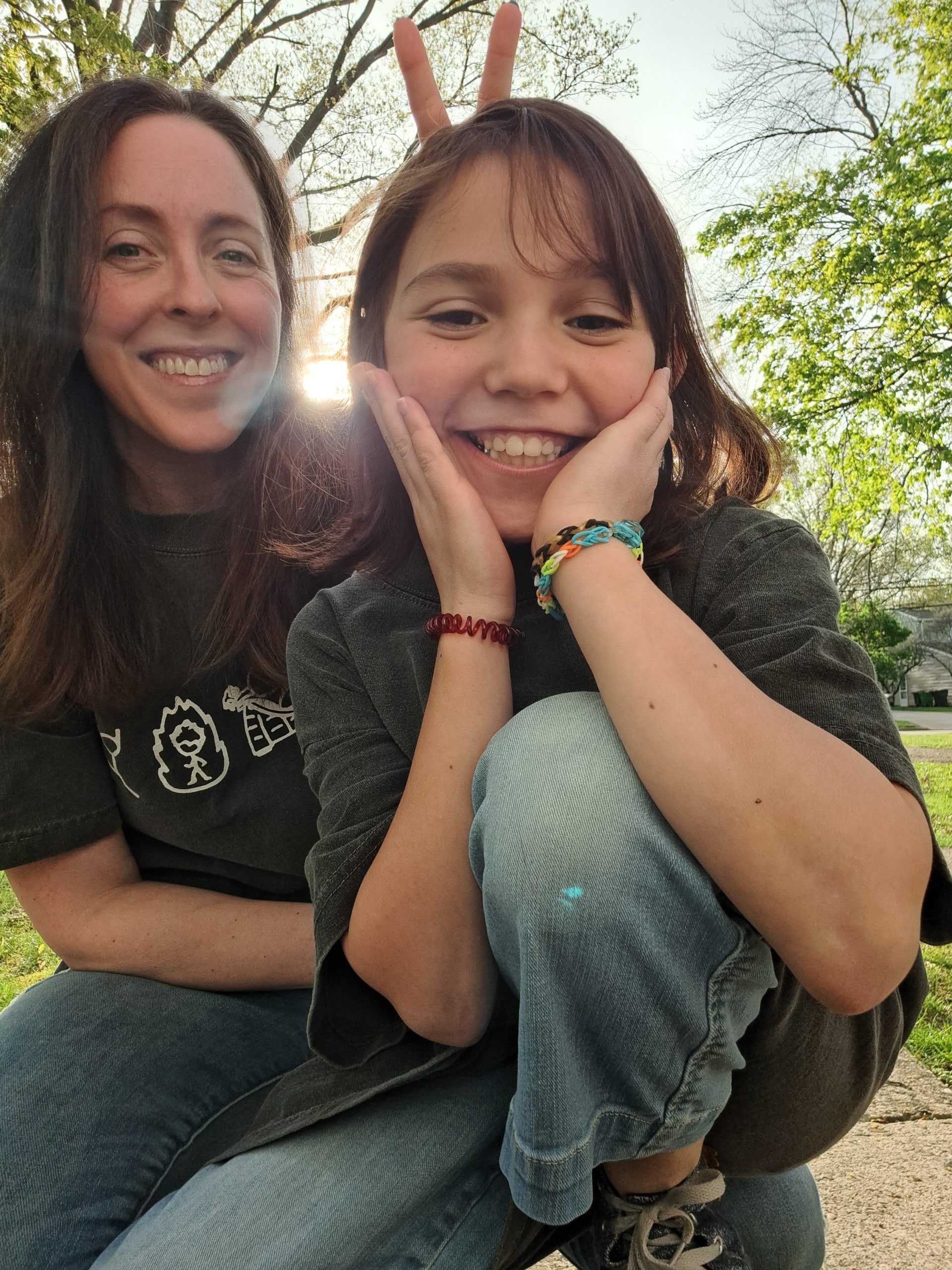
Her 10-year-old daughter inherited that adventurous palate. Serena’s favorite foods include sushi, steak, calamari, and salmon roe—hardly the diet of a typical fourth grader.
“We weren’t a chicken nugget household,” Yo jokes. “She grew up tasting everything.”
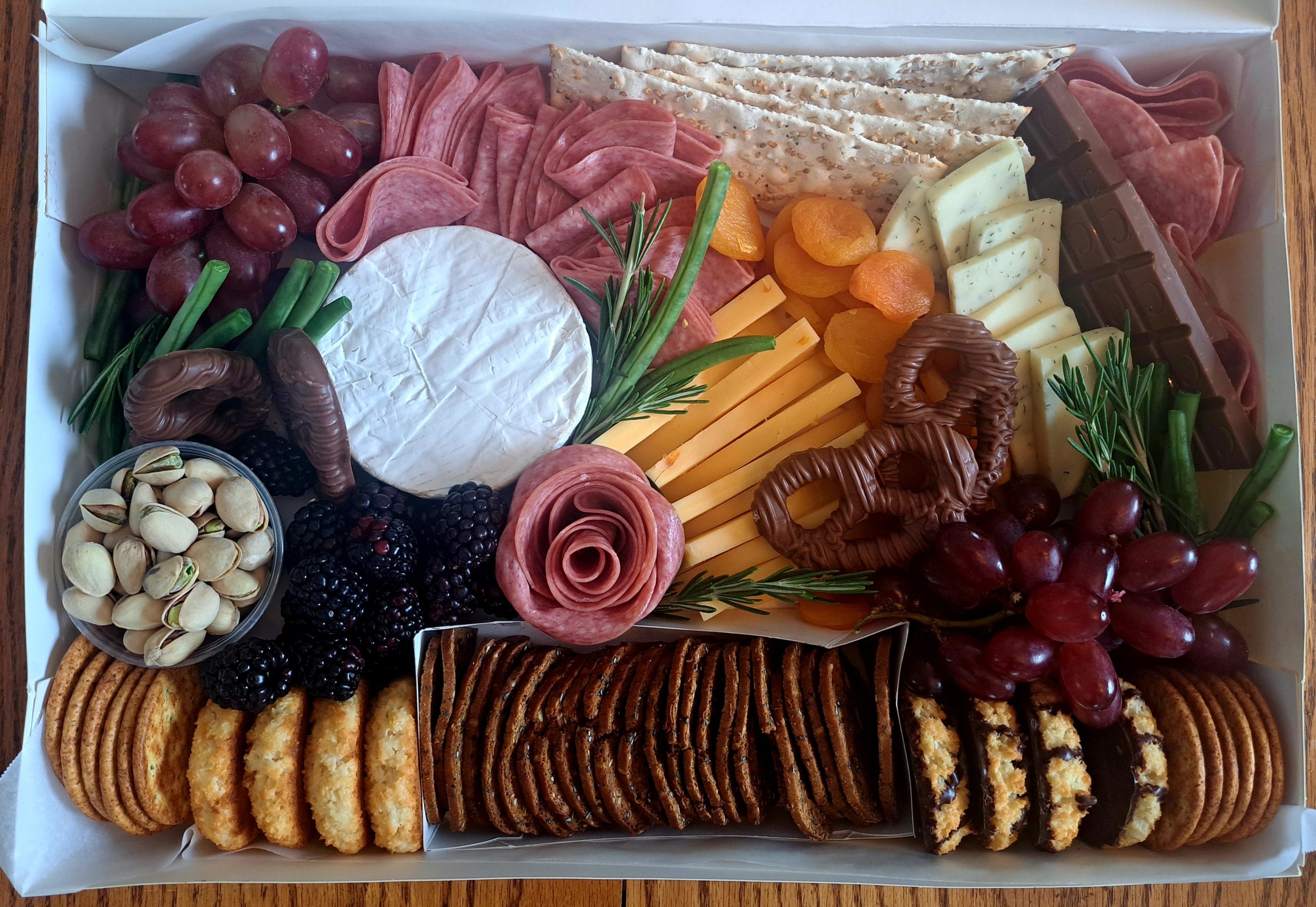
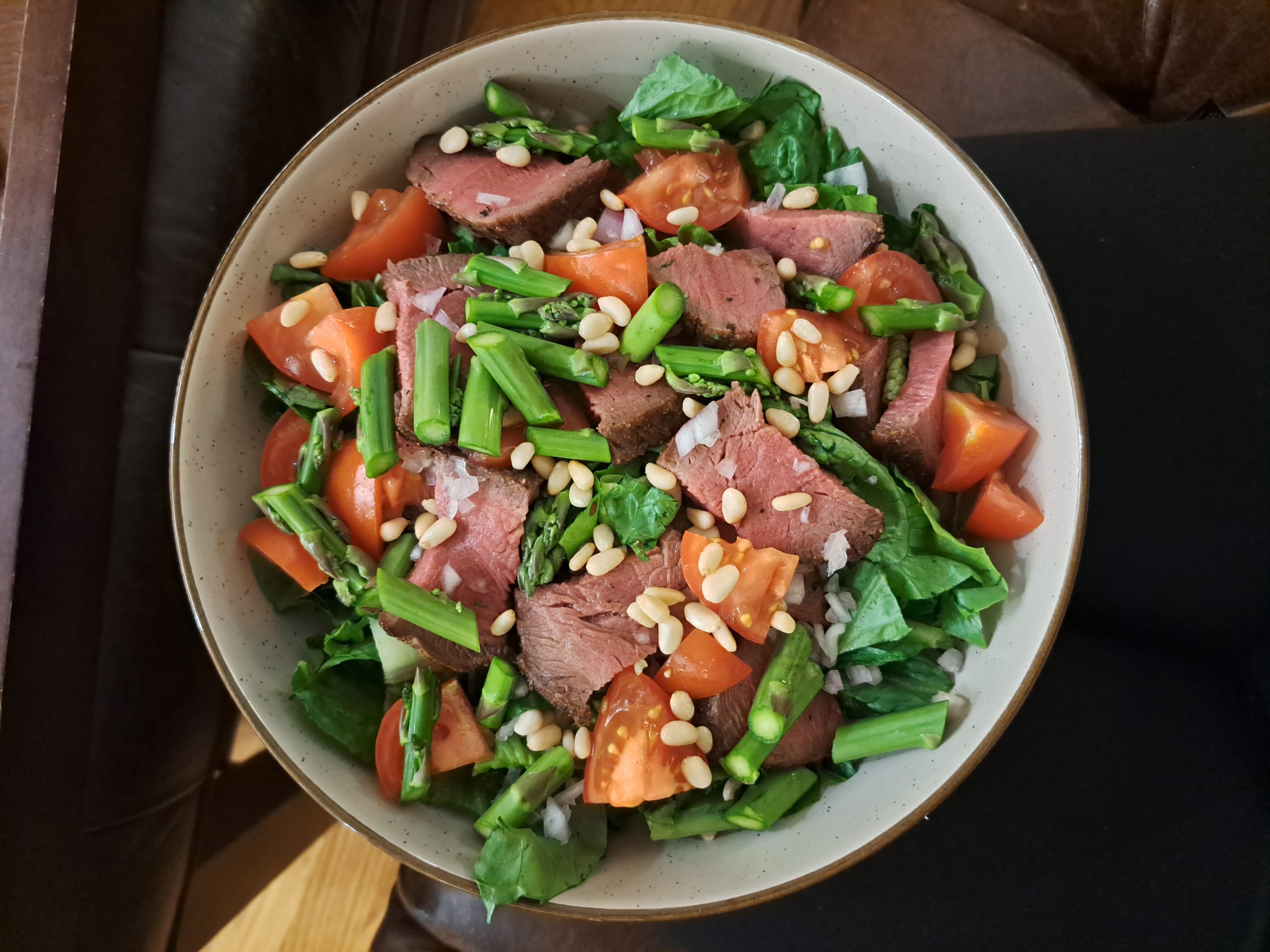
Sunday meal prep became their ritual. Yo would cook four or five dishes for the week, portion them, and stack the fridge neatly. Friends started asking for a few extra meals. Then families she knew wanted meal kits. It turned into a tiny, informal meal-prep business—steady, manageable, rooted in love.
“I’m good at it,” she says. “Like, genuinely good. And I enjoy it.”
It became clear this wasn’t just a hobby. It could be her career.
There was only one problem: making it official meant enrolling in culinary courses or business classes—and all of them required a GED.

Returning to Seeds—With Purpose This Time
Five years after her first visit, Yo walked back into Seeds of Literacy determined to finish what she had avoided for two decades.
“I’m not embarrassed to admit I didn’t study,” she says. “I just scheduled the tests and trusted myself.”
She passed Language Arts with ease. Social Studies came next—despite the exam proctor disconnecting, reconnecting, giving contradictory instructions, and threatening to revoke the test mid-session.
“I thought I bombed it,” she laughs. “Turns out I did great.”
But more important than the scores was the shift in her self-belief.
She wasn’t the lost, anxious 18-year-old who once signed up for the GED and then backed out. She wasn’t the overwhelmed 20-something bouncing between cities and couches. She wasn’t the burnt-out bar worker clocking impossible hours.
She was a mother building a future.
A woman ready for the next step.
A person who knew exactly why she was here.
“Every path I looked into—culinary classes, business certifications, everything—they all required a GED,” she says. “Eventually you stop trying to go around the obstacle and decide to just go through it.”
A New Definition of Success
Today, Yo works part-time at a small neighborhood restaurant—just enough to pay the bills and keep her afternoons free for school pickups, sports practices, and family time.
“I’ve never been poorer,” she says with a grin. “And I’ve never been happier.”
What she means is simple: after a life of instability, she finally has a structure she built herself—one centered on showing up for her daughter, nurturing her passion for food, and finishing the education she never had the chance to complete.
She dreams of enrolling in a short-term personal chef program, like the one at Tri-C. It teaches food handling, business basics, and how to turn a small food-prep operation into a legal, licensed enterprise.
“It’s wrapped up in a neat package,” she says. “Exactly what I need.”
And for the first time, she believes she can get there.
Why Education Matters Now
For Yo, earning her GED isn’t about checking a box. It’s about reclaiming something she lost the moment she was told, at 16, that she couldn’t stay in her own home.
“I’ve been surviving since then,” she says. “Now I want to do more than just survive. I want to build something.”
Education represents stability. Opportunity. Legitimacy. A foundation for the life she’s chosen to build—not the one she was forced into.
“I want Serena to see me finish something I started twenty years ago,” she says. “I want her to see that it’s never too late to start over.”
And with every test she passes, every Tuesday she shows up, every step she takes toward her GED, Yo proves exactly that.
She is no longer just surviving her past.
She is shaping her future.
One class, one meal, one milestone at a time.
###